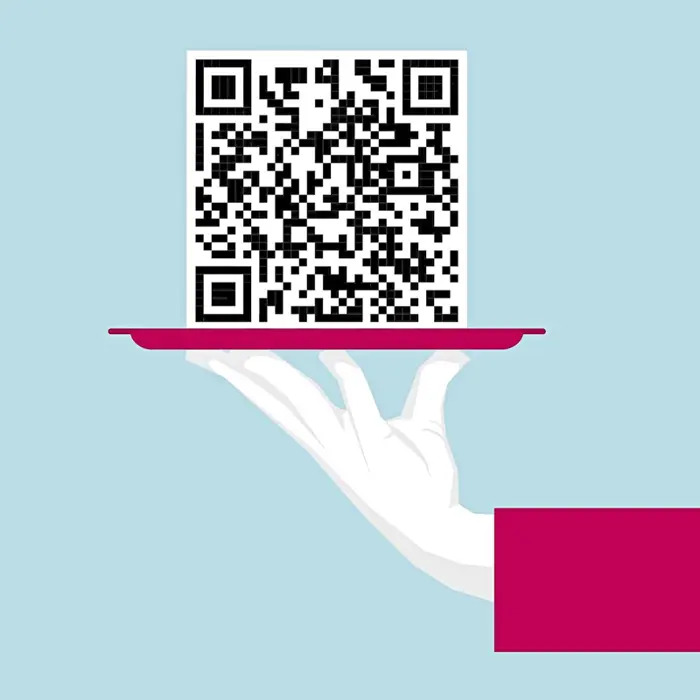
Many restaurants in Malaysia are now using QR codes for food orders. — 123rf
MALAYSIAN waiters are in danger of becoming an endangered species. The only ones still to be seen in most places are those from Myanmar.
Many of them are often required to put on their masks in coffee shops, especially in Selangor, and I always have problems understanding them because they are hardly audible.
From behind the masks, and with their heavily accented Malay or English, it’s even more difficult to engage in a conversation,.
But that’s not my main grouse. This 65-year-old Uncle misses Malaysian waiters, even the notoriously rude ones at Chinese restaurants.
Not because I enjoy bossing people around. Not because I am technologically challenged.
I can still navigate online requirements and adapt to social media platforms well and even occasionally remember some of my passwords.
What I cannot understand is why I now have to do the waiter’s job while still paying a service charge.
The modern dining experience often begins with a cheerful greeting followed by a solemn gesture towards a QR code.
“Please scan the order.”
At that moment, I cease being a customer and become an unpaid member of the restaurant’s operations team.
First, I scan the code. Then I browse the menu. Then I place the order. Then I double-check that I haven’t accidentally ordered six bowls of tom yam instead of one.
Yet when the bill arrives, there it is: the service charge. Service for what exactly? Providing the QR code?
In many restaurants, you even have to collect the chopsticks, bowls and your chilli yourself, not to forget filling up the tea pots with hot water.
I am not opposed to technology. Digital menus can be useful. They display photos, update prices and reduce printing costs. Food prices also keep going up and it’s harder to make changes on printed menus, so sure, digital is helpful.
I also understand that it is difficult to hire waiters, especially Malaysians. We’d rather spend the entire day watching short Chinese video dramas, becoming pseudo political analysts on Threads or posting videos whining about the body odour of other nationalities when on holiday abroad.
But somewhere along the way, restaurants seem to have confused convenience for themselves with convenience for customers.
The situation becomes even more puzzling when the ordering system demands personal information before I can order a simple meal.
Would you like my full name? Perhaps. My phone number? Why? I am already using my phone to place the order. My e-mail address? Definitely not.
I recently encountered a restaurant that seemed less interested in my food preferences than in building a customer database worthy of a multinational corporation.
All I wanted was a plate of fried rice. The system behaved as if I were applying for a housing loan.
Before long, we may be asked to provide our blood type, favourite colour and even the name of our pet before being permitted to order a cup of coffee.
(I don’t know why it is always the name of our pets. What about those poor souls with no pets?)
Restaurants argue that such information helps them improve customer service and offer promotions. Yet many customers simply want a meal, not a lifelong relationship.
The irony is that genuine service is becoming harder to find, even with technology that is supposed to improve the customer experience.
A good waiter does more than carry plates. A good waiter answers questions, recommends dishes, knows your favourite food if you are a regular customer, notices when something is wrong and occasionally rescues customers from ordering something they will regret.
A QR code cannot tell you that the curry is unusually spicy today. It cannot notice that your drink has not arrived. It certainly cannot smile when serving dessert.
Technology should enhance hospitality, not replace it.
So yes, I still prefer having my order taken by a human being.
Call me old-school if you must. But if I am paying a service charge, I would really like some actual service.
Remember the saying, the customer is always right? Now, the QR code is always right.
If you miss something on the QR code order and you walk over to the young cashier to make an inquiry, you get an angry and annoyed look instead of any help. It’s as if you have committed the world’s biggest digital mistake.
All I want is a plate of nasi lemak, not to sit through a digital competency test or to surrender enough personal information to qualify for a relationship or a loan.
I hope we won’t eventually have to keep pressing buttons on our phones to place our food orders via a call centre located in India, the Philippines or China!
If you like this article, please press one. If you dislike it, press two, and if you wish to file a complaint or to speak to someone from The Star or the Malaysian Media Council, please hold.
Your complaint will of course be recorded for training purposes. Please hold.