BUKIT Bintang is Malaysia’s shop window to the world.
Every day, thousands of tourists and locals stroll through its bustling streets, malls, restaurants and entertainment outlets.
It is where Kuala Lumpur showcases itself as a modern, vibrant and welcoming city.
Yet, alongside the luxury boutiques, five-star hotels and glittering facades is an increasingly familiar sight that has become difficult to ignore: groups of beggars occupying some of the busiest pedestrian areas.
For visitors, this uncomfortable contradiction is among their first impressions of the city.
Malaysia promotes itself as a world-class tourist destination, yet Kuala Lumpur’s public spaces have become regular locations for organised begging.
Reports of frequent enforcement action indicate that a significant number of those involved in street begging are foreign nationals.
There is an important distinction between helping vulnerable individuals and allowing organised or professional begging to flourish unchecked.
Malaysia has laws on vagrancy, immigration and public order.
The question therefore is not whether agencies have the powers. It is why the problem persists despite them.
One answer appears to lie in the fragmented nature of enforcement.
Local authorities remove beggars from one location, only for them to return within hours because their immigration status falls under another agency.
Welfare officers may also have to determine whether someone qualifies for assistance before further action can be taken.
Immigration enforcement requires separate procedures, while prosecution involves yet another process.
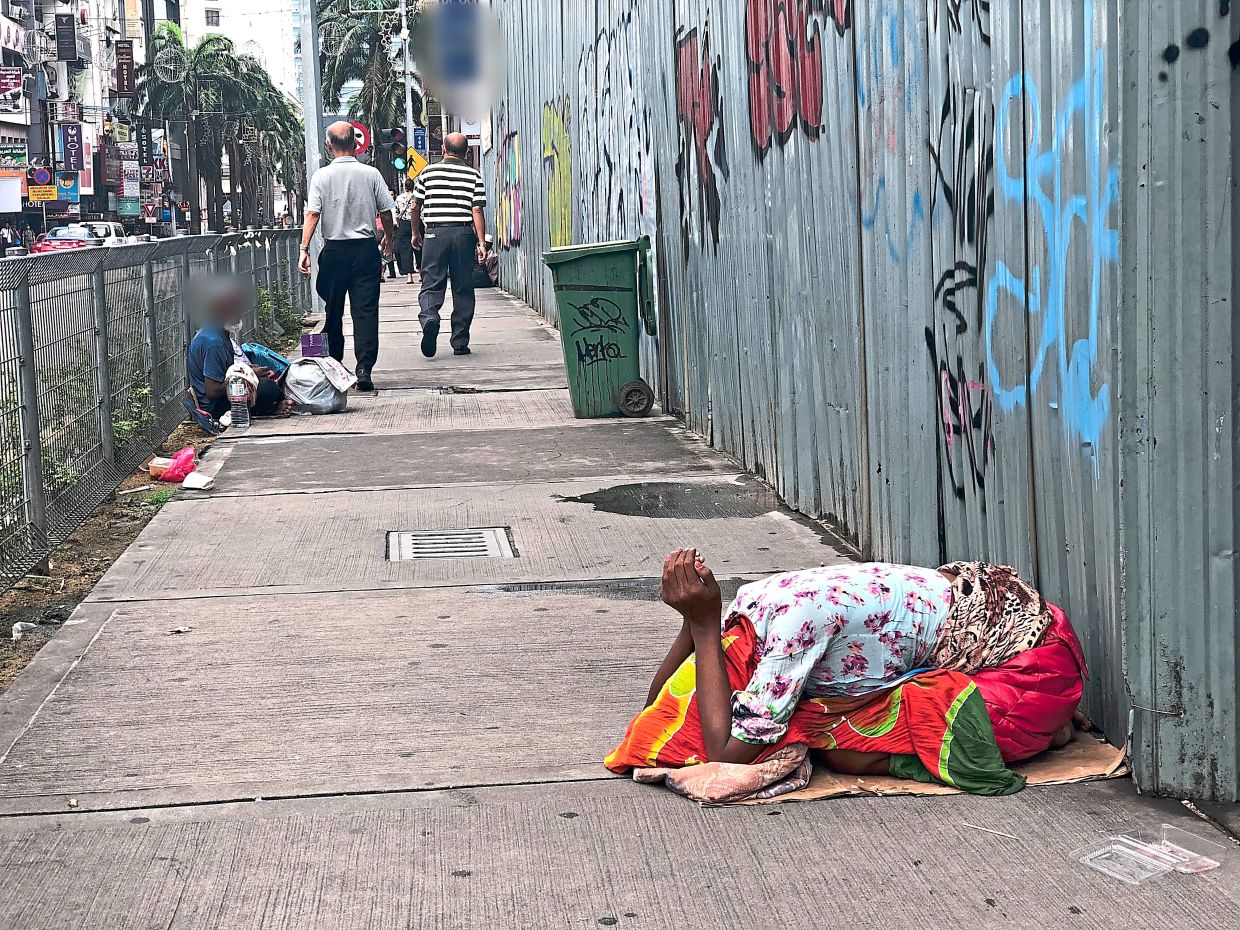
Alongside the luxury boutiques, five-star hotels and glittering facades of Bukit Bintang is the sight of beggars occupying some of the busiest pedestrian areas. — Filepic
Each agency performs its own role, but the overall outcome often leaves the public wondering whether anyone is actually in charge.
The result is predictable. Enforcement becomes episodic rather than sustained.
Operations make headlines for a day or two.
Matters relating to homeless and the destitute fall under Social Welfare Department (JKM) jurisdiction.
Destitute Persons Act 1977 (Act 183) empowers JKM to identify, rescue, protect, provide shelter and rehabilitate individuals classified as “destitute persons”.
For homeless individuals who are non-citizens, the relevant enforcement action falls under the Immigration Department.
It is responsible for enforcing immigration laws against foreign nationals who are in Malaysia without valid travel documents, have overstayed their permitted period of stay or have breached the conditions of their passes or permits.
Kuala Lumpur City Hall’s (DBKL) hands are tied, as it has limited authority to act.
However, the continuous daily presence of these beggars undermines confidence in public administration.
It creates frustration among businesses that invest heavily in Bukit Bintang. It affects the experience of tourists.
More importantly, it does little to address the welfare of those who may genuinely be in need.
If existing laws are adequate, agencies must coordinate more effectively.
If legal gaps exist, they should be reviewed.
If overlapping jurisdictions are slowing enforcement, then inter-agency protocols need to be simplified.
Foreign nationals who are victims of trafficking or exploitation should be identified, protected and assisted through the appropriate channels.
However, organised begging, exploitation syndicates and immigration violations cannot be allowed to hide behind humanitarian concerns.
Compassion and enforcement are not mutually exclusive; they are complementary.
Visitors to Bukit Bintang should remember the area for its energy, diversity and hospitality – not for persistent begging at major intersections, shopping entrances, and pedestrian crossings.
Malaysia has invested billions in tourism infrastructure, urban renewal, and international branding.
Allowing one of its most iconic commercial areas to be associated with unchecked street begging undermines those investments.
Bukit Bintang is too important to Malaysia’s image and economy to allow bureaucratic inertia to define its future.
The time has come to replace fragmented enforcement with coordinated action – firm where necessary, compassionate where appropriate, but above all, effective.
Kuala Lumpur’s city folk are begging the authorities to do a better job.
Bukit Bintang deserves better.