Monthly Archives: February 2024

Simply sacred

ALL our Members of Parliament are required to take their oath of office and allegiance before sitting in the Dewan Rakyat or Dewan Negara.

This practice is also mandatory for Ministers and Deputy Ministers before they exercise any functions of the office.

They must swear to faithfully discharge their duties to the best of their abilities, to bear true faith and allegiance to Malaysia and, most importantly, to preserve, protect and defend the Federal Constitution.

Marang MP Tan Sri Abdul Hadi Awang, PAS’ president, is no exception to the rule.

He has, in fact, raised his hand seven times to pledge his backing for the Federal Constitution.

So, were his pledges hollow words bereft of sincerity and only a show for his fellow lawmakers?

He’s now hinting at doubts about the Federal Constitution, which is the supreme law of the nation.

Hadi, in his Facebook post, insists our Constitution was drawn up by the British colonists and aimed at depriving Islam of authority. These are certainly loaded words. The statement in Bahasa Malaysia sounds even stronger.

Truth be told, I’m no law expert, but having majored in history and politics in university, I have a keen interest and training in these areas.

Our Federal Constitution came into effect in 1957 as the Constitution of the Federation of Malaya and was amended to be the Constitution of Malaysia in 1963, following the formation of Malaysia with Sabah, Sarawak and Singapore.

So, it’s the supreme law of Malaysia. Without doubt, the Reid Commission, which drafted the legal framework, included constitutional experts from fellow Commonwealth countries with a working party appointed by the British, the Conference of Rulers and the Government of the Federation of Malaya.

According to the article “Contextualising constitutional Islam: The Malayan Experience” by Kristen Stilt, published in the International Journal of Constitutional Law, the drafters included two Muslim judges – one from India and another from Pakistan. Justice Abdul Hamid from Pakistan had the experience of working on his country’s constitution.

The Commission received 131 written reports from individuals and organisations which included Persatuan Agama Islam Se-Malaya, or PAS, as it’s now known, she wrote.

The panel visited each state and the Settlements, as Melaka and Penang were called, and met the Sultans, the officials, and British representatives, and held hearing sessions across the peninsula to get feedback from individuals and representatives of parties and organisations.

Basically, the views of all segments were sought, and naturally, they were as diverse as they were varying, but in the end, compromises had to be made, and understandably, there were many.

Our first prime minister, Tunku Abdul Rahman, certainly knew what he was doing in his negotiations with the British. Our Malay Rulers, who endorsed and approved the Constitution, certainly understood it, too.

Our founding fathers, particularly Tunku, clearly knew that Malaya, and then Malaysia, needed a multiracial compromise and appreciated its relevance.

He didn’t forget the importance of Islam, and the Federal Constitution supported the establishment of the syariah courts in the states.

List II Schedule 9 of the Federal Constitution delineates the powers of the states to constitute, organise and set out procedures of such courts within the state over persons professing the religion of Islam.

Fast forward to 2024, as columnist Mohsin Abdullah wrote in FMT, “the Federal Constitution which Hadi has questioned and criticised has benefited the Islamist party by enabling them to take part in elections, capturing a few states and even holding government positions.”

Prominent lawyer Datuk Joy Appukuttan wrote that “this Constitutional Oath is sacrosanct, since without which, Ministers and the respective Speakers of both Houses cannot take office, while Members of Parliament will not be allowed to take their seats in Parliament.

“This oath becomes even more prevalent since the Federal Constitution is expressed as the supreme law of the nation.

“Hence, the oath to preserve, protect and defend the Federal Constitution means the Executive as well as Parliament must uphold the concept of accountability, transparency and good governance and the failure to do so will surmount to breach of the constitutional framework.”

The position of Islam is clearly defined in the Constitution as the country’s official religion. But other religions may be practised in peace and harmony in any part of the federation.

There is growing concern among the people about empowering syariah courts. Many of the penalties, such as fines, may possibly be outdated and need to be adjusted, but ignorance and prejudice shouldn’t lead anyone to jumping the gun.

It’s best that the issue be left to the National Council of Islamic Religious Affairs, which is currently chaired by the Sultan of Selangor.

Certainly, I have my trust and faith pinned on the Majlis Kebangsaan Islam (MKI), headed by a Ruler and comprising experts, rather than relying on politicians who exploit religion.

Tunku understood that Malaysia is a multiracial country and, in most disputes, whether civil or criminal in nature, will most likely involve people of different races and religions.

Syariah laws can’t be invoked in criminal offences which clearly come under federal laws.

As Appukuttan rightly put it, “Such is our current state of affairs that it is opportune now to be reminded of these basic principles.

“To conclude, it is held that ‘Every legal power must have legal limits, otherwise there is dictatorship.’

“Such tyranny is avoided through the adherence to the Constitutional Oath of office. Paying lip service to this oath will only erode the protection envisaged in the Federal Constitution.”

As the late Lord President Tun Mohamed Suffian Hashim wrote in his book An Introduction to The Constitution of Malaysia, in Malaysia, only the Constitution is supreme.

“Clearly, the legal doctrine that applies in Malaysia is not that of Parliament or any other body is supreme but that the Constitution is supreme.”

That’s clarity at its finest.
Quality, not quantity

EARNING a United Nations Educational, Scientific and Cultural Organisation (Unesco) heritage accreditation for a place drives many countries to seek it because of its economic value to tourism as it offers international recognition.

It creates jobs and business opportunities, helps tourism promotion and marketing, and often improves the quality of local lives.

But more importantly, world heritage sites are places regarded as important to and belonging to everyone, no matter its location.

They comprise monuments, groups of buildings, sites – archaeological and cultural – and natural features and geological formations which are important from the science, conservation or natural beauty perspectives.

So, before we make bids for sites, it’s best we do our homework. There’s nothing more embarrassing than having a high-profile pitch ultimately rejected. Yes, we’ve had that egg on our face before.

Controversy has rumbled over Local Government and Housing Minister Nga Kor Ming’s announcement in seeking Unesco heritage endorsement for the new Chinese villages in Selangor.

The proposed bid has hit a brick wall, though, with resistance coming from groups which are predictably arguing from the race perspective rather than employing academic, persuasive and rational approaches.

There’s a fundamental question that needs answering by those supporting the Unesco Heritage Site submission plan; do the 400-odd new villages, which were historically internment camps created during the Malayan Emergency in 1950 to round up ethnic Chinese to contain the communists, fulfil the criteria for recognition and do we truly stand a chance? Of these, 77 are in Selangor.

No doubt the new villages have an appealing story of perseverance against blatant discrimination by the British, who cruelly locked up the Chinese community for fear they were supporting the communist cause.

Many prominent Chinese tycoons grew up and lived in these villages as they worked their way to the top.

But even without the strong resistance towards Nga’s proposal, it would be tough selling the proposal to Unesco.

The new villages are only about 50-odd years old, a glaring contrast to other contenders, which are mostly many centuries old.

It’s not easy drawing Unesco’s attention.

The political lesson to be learned here is, Nga should have consulted the leaders of the unity government for their consent before making the announcement. The unfortunate reality in Malaysia is that everything is political and inextricable from the warped sense of race and religion.

It’s disappointing that the debate over the new village proposal has invariably degenerated to one with racial overtones.

That’s how the politics of consensus works in a government, and it’s probably harder for DAP leaders, who are now learning that component leaders shouldn’t be caught unawares by arbitrary pronouncements, regardless of the initiatives’ nobility.

So, now we have these pointless arguments over the gambit, which in the end, may just come to a premature conclusion.


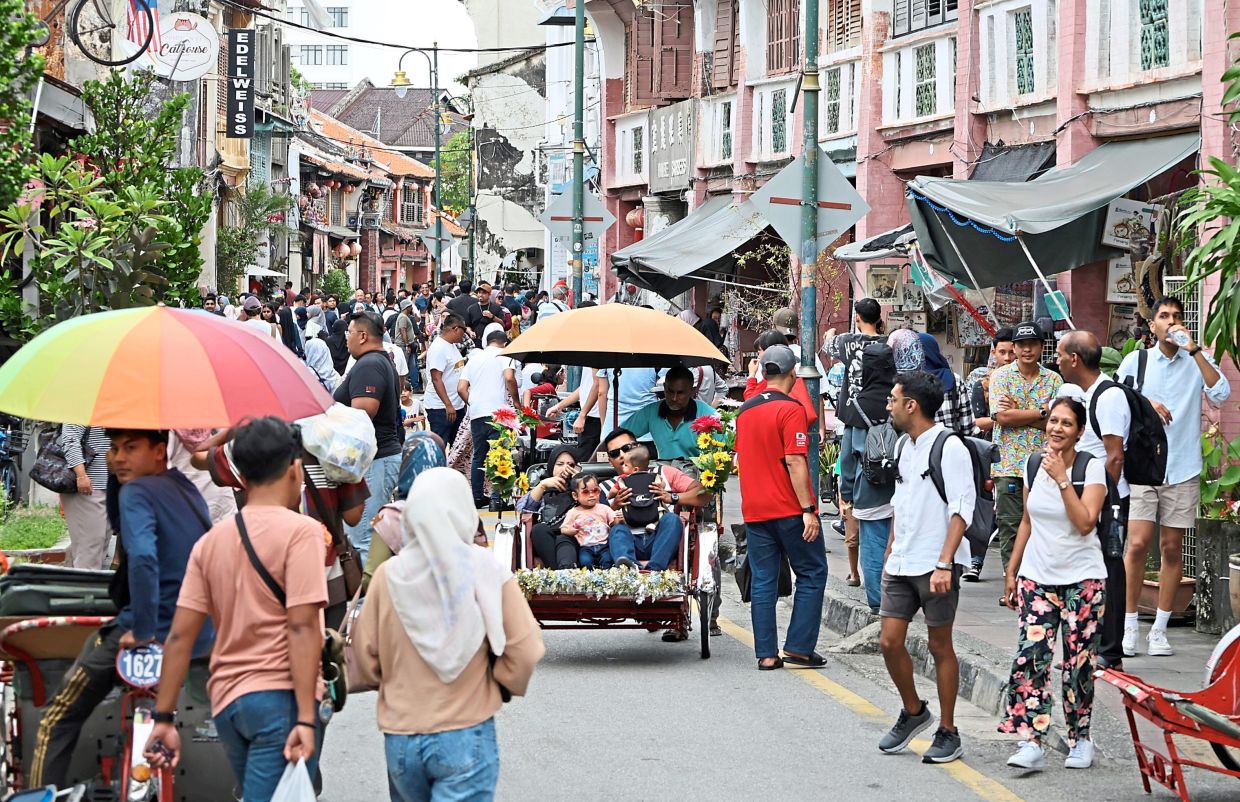
Coveted status: Tourists throng Armenian street in the George Town heritage area during the holidays. Unesco’s recognition as a World Heritage Site can provide economic value to tourism as well as create jobs and business opportunities. — CHAN BOON KAI/The Star

For a dose of reality, even the iconic limestone hills at Batu Caves housing the Lord Murugan temple, one of the most popular Hindu shrines outside India, failed in its Unesco World Heritage Site bid.

Despite its cultural, geological and ecological arguments, Batu Caves was deemed unfit for consideration.

It was reported that it didn’t even meet one of the 10 criteria listed, with Unesco claiming that the illegal structures in the caves weren’t harmonious with the surroundings of the 400-million-year-old limestone rock formations.

Unesco is very clear that a site must have universal values that transcend the importance it holds for a single nation.

Ethnic or religious considerations are moot points if Unesco’s selection committee accords recognition.

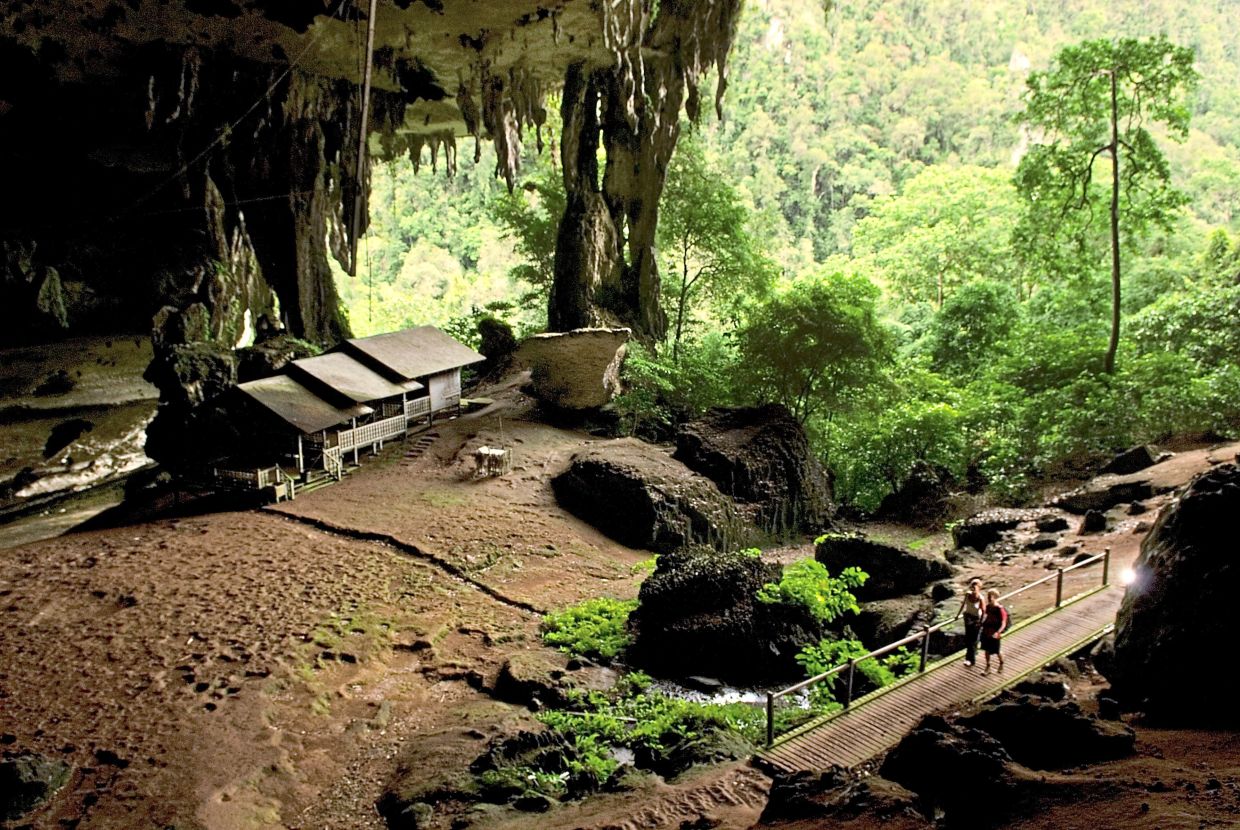
In the queue for Unesco endorsement from Malaysia are Taman Negara National Park, FRIM Selangor Forest Park, Gombak Selangor Quartz Ridge, Royal Belum State Park, Sungai Buloh Leprosarium and the Niah National Park.


The Niah National Park is expected to be listed as a Unesco World Heritage Site this year. — Tourism Malaysia

Places in our country which have Unesco World Heritage Site status include George Town and Melaka, Gunung Mulu National Park, Kinabalu Park and the Lenggong Valley.

Melaka and George Town are cities which have earned recognition because they comprise historic urban centres with 500 years of cultural and trade exchanges between the East and West.

It’s surely more beneficial for us to provide greater resources to support and promote these chosen sites, especially the Lenggong Valley’s archaeological heritage site, which has the oldest relics of human settlement outside Africa but is unfortunately unknown and neglected.

The Perak Man, the oldest human skeleton found in South-East Asia, settled there almost two million years ago.

However, reports suggest that the sites are in disrepair, with rotting signs and broken boardwalks.

I hope this is old news, but if these places have received due attention, then trumpet it. Travellers will research their destinations online, so it’s imperative they get the latest updates.

There are other sites which deserve Unesco endorsement, including the 115-year-old Masjid Jamek located at the confluence of the Klang and Gombak rivers.

Then, there’s the Kek Lok Si temple in Penang, the largest Buddhist temple in Malaysia and built in 1891, making it 133 years old.

There’s also the beautiful 19th century Cheong Fatt Tze, the Blue Mansion building in Penang, which won Unesco’s Asia Pacific Heritage Award for Cultural Heritage Conservation. I wonder if it’s possible to take this a step further to have it upgraded to a full-fledged Unesco Heritage site.

Anyway, while we may feel passionate about the many historical sites in Malaysia, regardless of their ethnic and religious backgrounds, it’s essential for our leaders to understand the criteria that need to be fulfilled to ensure a bid’s success.

The lush and tranquil Penang Botanic Gardens, set up in 1884 by Kew-trained botanist Christopher Smith, remains a favourite spot, but older Penangites would know that it’s in dire need of more attention to boost the collection of plants and flowers there. The place was certainly a prettier sight before.

Let’s prepare our cases and efforts to add to the list of Malaysian spots on the Unesco list, but we need to make sure to spend equal time in ensuring that these places are well maintained and promoted.

Like the rest of the world, Malaysians often complain about politicians who twiddle thumbs, but let’s hope they don’t do more damage instead.

Reduced sentence ignites sparks

IT’S understandably a decision that has angered Malaysians, with many expressing their discontent on social media.

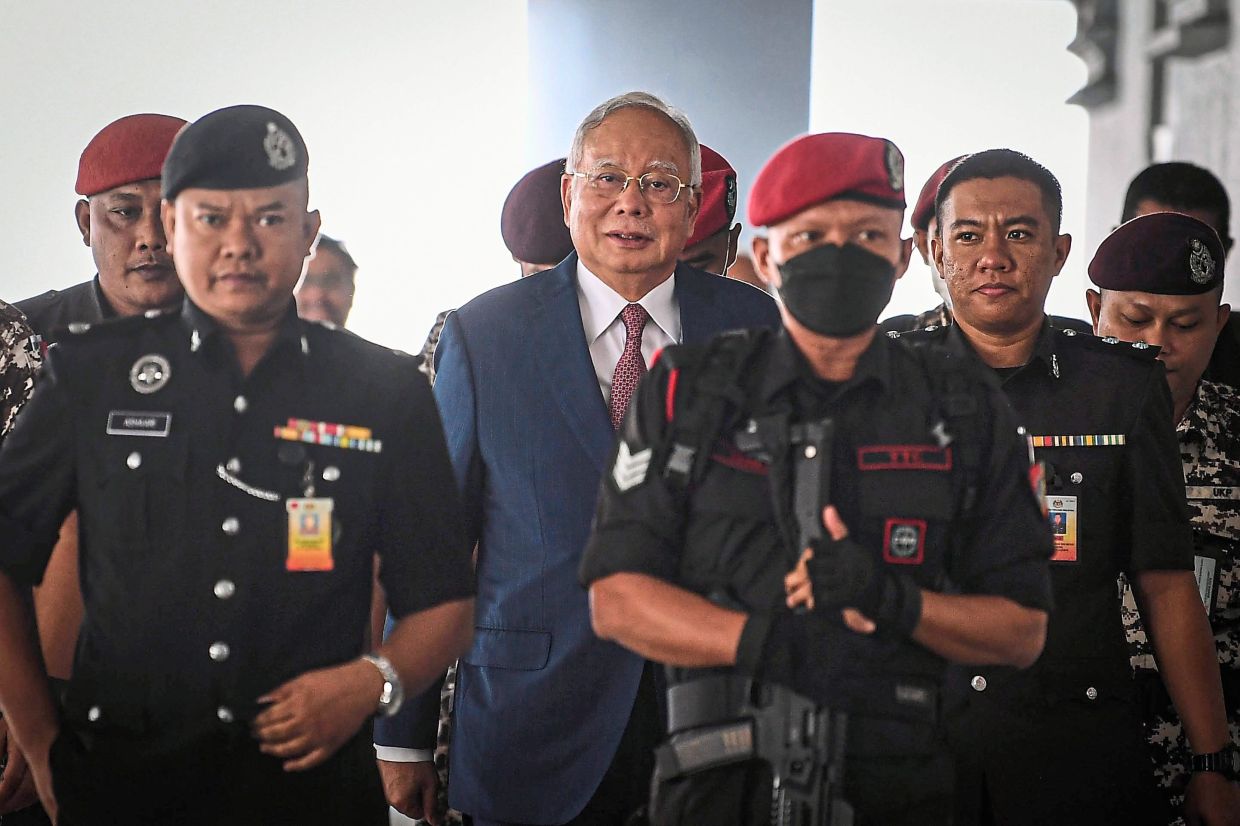
This follows the Pardons Board’s decision to shorten Datuk Seri Najib Razak’s jail sentence from 12 to six years as well as reduce his fine from RM210mil to RM50mil.

Malaysian social media has exploded since the Board’s decision was made known on Friday, with many demanding the government justify the move.

The former prime minister’s family and Umno supporters are not happy either.

They expected a full pardon and for him to be released immediately as they insist Najib has done nothing wrong.

Naturally, there has been a backlash against Prime Minister Datuk Seri Anwar Ibrahim and the Unity Government.

But the Prime Minister has reminded everyone that Najib, like all prisoners, has the right to seek a pardon.

His appeal was rejected by the Pardons Board but that can’t stop Najib from submitting a fresh appeal to the new King.

All prisoners are entitled to a remission and those who are well behaved are most likely to have their jail term reduced.

It remains unclear if Najib could walk out of jail by August 2026 or even as early as 2025 for good behaviour.

But of course, he’s no ordinary prisoner since his case has captured international attention and the Pardons Board’s decision will surely ignite controversy, if not get roundly criticised, especially if he’s perceived to have been let off, escaping from a scandal of tectonic proportions.

The multibillion-dollar 1Malaysia Development Berhad (1MDB) scandal has generated tremendous global attention and Najib is still on trial for multiple cases related to it.


As the debate rages, Najib will have to be back in court tomorrow, a reminder that his problems aren’t over. — Bernama

While he was acquitted of audit tampering in connection with 1MDB, he hasn’t admitted guilt or shown remorse over the entire fiasco.

He has relentlessly said he had been misled and squarely blames businessman Jho Low for what has transpired, accusing him of masterminding the scheme from the start.

While the decision to trim his sentence was made in the name of the Pardons Board, the views of the Sultan of Pahang, the previous Yang di-Pertuan Agong, most likely carries the most weight.

The meeting on Monday at Istana Negara was chaired by Al-Sultan Abdullah Ri’ayatuddin Al-Mustafa Billah Shah, the previous King.

The board members included Dr Zaliha Mustafa as Minister in the Prime Minister’s Department in charge of the Federal Territories, the Attorney-General and two other officials.

The King has discretionary powers to pardon convicted offenders or reduce their sentences, as provided under the Federal Constitution.

The respective Sultans also enjoy the same authority in pardoning convicts who had erred in their states. Also, it has never been the Pardons Board’s practice to explain its decisions.

Prisoners who were pardoned or had their sentences reduced, were those who displayed exemplary behaviour, were of old age or had health issues.

In Najib’s case, the media came up with many speculative stories alluding that the former Prime Minister would be pardoned, but of course, that didn’t happen.

Najib applied for a royal pardon in 2022, shortly after his conviction and sentence was upheld by the Federal Court.

Like it or not, the Pardons Board has made its decision. It’s not required to publicly reveal the reasons for its decision.

It also doesn’t need to provide details of how the board deliberated on the issue or whether it was unanimous, a majority decision or what the final say of the previous king was. The then king chaired the meeting of the board.

Article 42 (1) of the Federal Constitution is clear, stipulating the King has the power to decide on the matter and the decision cannot be challenged in court.

However, the timing of the Pardons Board’s announcement has come under fire, with some questioning why it was not announced immediately after the meeting.

Many citizens, including the media, have yet to understand the process involved. After the meeting, the AG is required to officially inform the heads of the prisons, for example, Kajang Prison. Then, the prison would need to notify the prisoners and their families. All this is through official letters and not mere phone calls.

It’s reasonable to think that the meeting discussed clemency for other prisoners, too, and not just Najib. The others could be pardoned, or have their sentences reduced, similarly, on grounds of good behaviour or health concerns.

So, those who are demanding for the board to explain its decision are going to be left disappointed.

But Anwar has correctly emphasised that the decision of the Pardons Board on any punishment by the courts is “beyond the ambit of the prime minister and the government of Malaysia.” In simple English, he’s saying, “Don’t blame us because it’s out of our hands.”

The public, however, is unlikely to understand this legal jargon or swallow the simpler explanation either and will only blame the government for this.

Anwar said the decision made by the Yang di-Pertuan Agong should be respected as it was undertaken after due process.

Anwar made this remark when asked for his comments in an interview with Al Jazeera’s Arabic channel following the announcement of the decision by the Pardons Board’s secretary on Friday.

The Sultan of Pahang, who ended his reign as King recently, had earned much respect, popularity, and goodwill from the public, but that has changed overnight.

Criticism is rife, but as Anwar said, His Royal Highness must have taken “all the considerations” and “then, the king, after listening to the board, finally decided to reduce the sentence by 50%.”

But as the debate rages, Najib will have to be back in court tomorrow, a reminder that his problems aren’t over.

While his jail sentence has been reduced, and even if he doesn’t get a full pardon, Najib’s political career must surely be over because he won’t be eligible to run for elections or hold any positions.

In any case, while he is still very much an influential figure in Umno and has a strong following, an active return to politics won’t help the Unity Government.

Najib has had his jail sentence and fine reduced, but it’s Anwar who must deal with the potential loss of support, even if he has no part or say on the issue.

To visit the South Pole, head to the “End Of The World” first


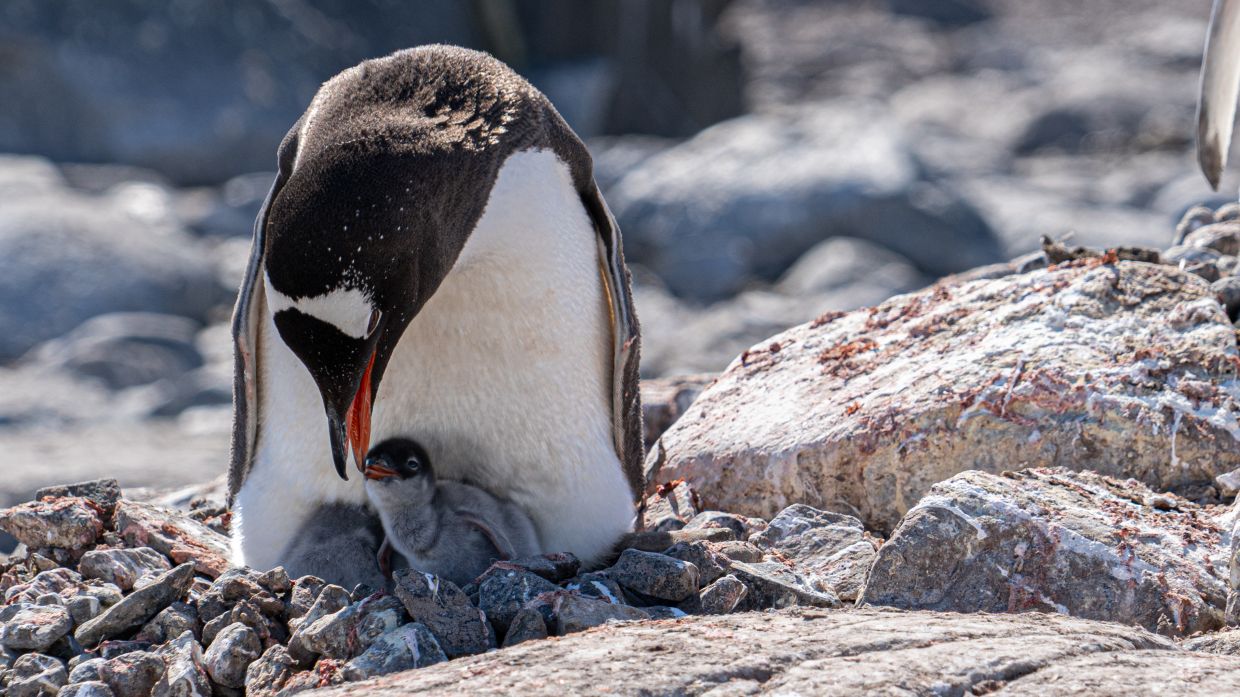
An adult penguin looking after its chicks at Jougla Point in Antarctica. — Polar Latitudes

Just the thought of eventually seeing it sent a tingle down my spine. The point was not lost on me that I was about to see one of the most pristine parts of our planet, a view most absorb only through National Geographic and Animal Planet documentaries, and their ilk.

It took almost two years to plan my trip to Antarctica as unlike other places, it’s not quite a hop, skip and a jump away. And neither is it about getting on a plane and flying straight to the White Continent.

The seventh continent remains the remotest and coldest place on Earth and the summer months of December through to March are the best to experience this breathtaking landscape.

Visitor numbers may have increased over the years, but only a few operators specialise in the South Pole.

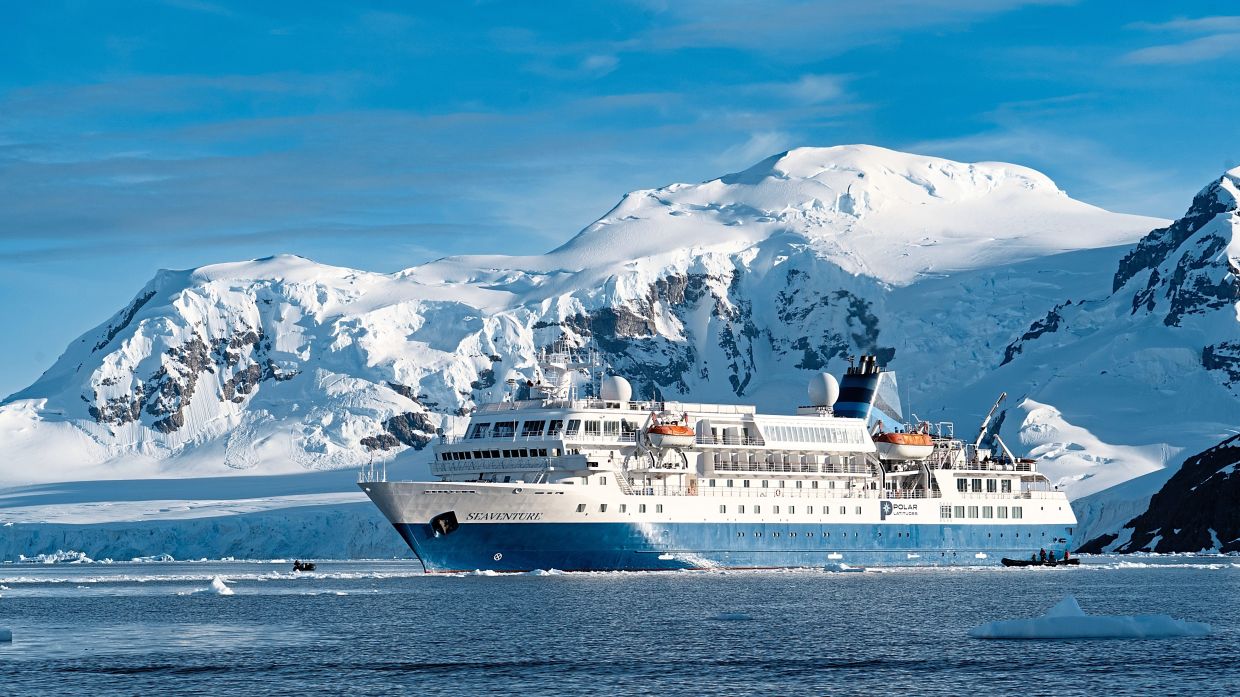
The missus and I opted for an expedition ship – MS Seaventure – that could board about 130 passengers, a company which included Malaysia’s most famous adventurer Yusuf Hashim, and some other Malaysians.

This was a crucial decision because its relatively smaller size provided us with special access to most of the possible land stops, so we didn’t have to merely sail past The Ice.


Sailing on the MS Seaventure at Paradise Bay. — Polar Latitudes

The typical luxury megalithic ocean liner with thousands onboard is prohibited from landing on many of the islands that are teeming with wildlife. It’s near impossible to organise a non-stop landing for a ship with 3,000 people because a maximum of 10 passengers in a single zodiac (inflatable boat) is allowed to travel to the islands.

With numbers strictly regulated, only about 100 people get to land on an island at a time to see the animals up close. Yes, patience is a virtue, but coming face-to-face with penguins and seals in their natural habitat is an exhilarating experience that’s worth the wait.

Polar Latitudes, the Britain-based company we chose for our sea adventure had scientists and naturalists on board the ship. There were daily lectures on climate change, the formation of islands and wildlife. Sure, that may seem like a far cry from the extravagance and luxuries of having a casino or dance club, but a trip to Antarctica is purely for the devout.

The trusty tank was home to us for three weeks, beginning from Ushuaia in Argentina, through to the country’s southern tip, the Falklands, South Georgia and then Antarctica.

Of course, en route is the treacherous Drake Passage, with its violent waves.


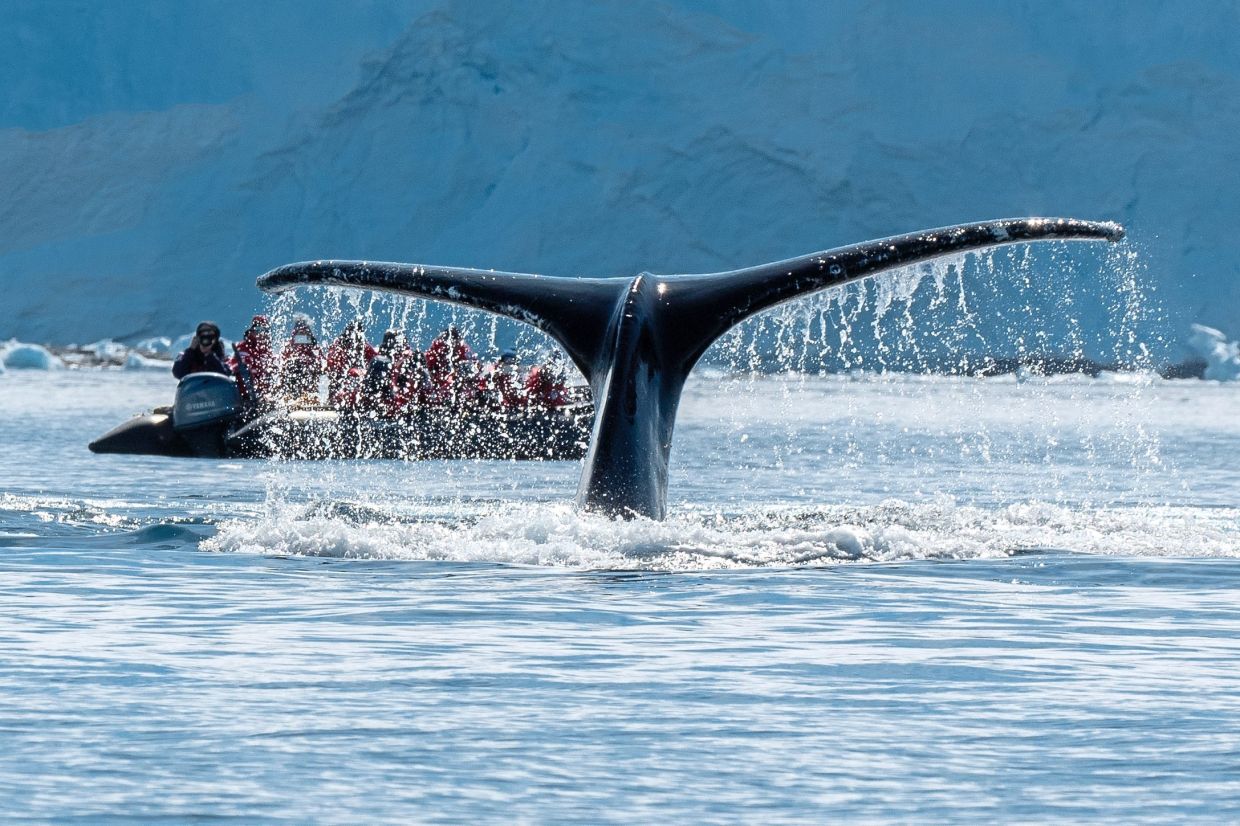
The tail fluke of a whale seen above water. What a sight to behold. — DR ALEX TAN

On our return to Ushuaia, dubbed the “End Of The World” (being at the southern-most tip of South America), our ship rocked and rolled through the two nights. Not for the faint-hearted or those with queasy stomachs.

Antarctica is an unpredictable place where anyone and everyone is at the mercy of the weather. The winds and choppy sea can change landing spots overnight and sometimes, within hours. Nothing usually goes to plan, but that’s part of the fun.

It also means getting wet when the zodiac ferries people from the ship to the islands, but all that is forgotten when standing among hundreds of thousands of penguins and seals, with the birds and mammals right beside them.

The scents of nature

What does Antarctica and the islands at South Georgia smell like? As expected, ice and snow are scentless but the smell of guano, or penguin poo, is thick in the air.

It has even been reported that a series of brown smudges against the vastness of the White Continent is clearly visible from space. I got used to stepping on puddles of what seemed like mud but were actually penguin poo. Nauseating for most people but this is part of the adventure.


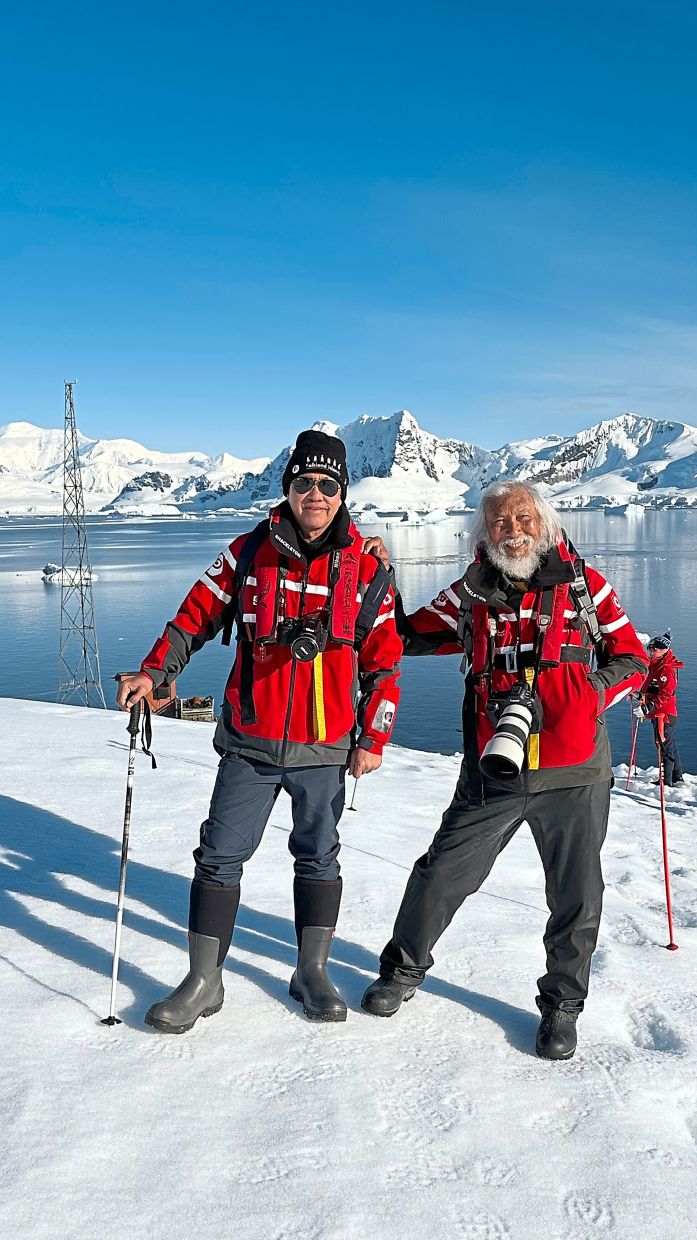
The writer (left) keeping warm at Brown Station in Antarctica with Malaysian adventurer Yusuf Hashim. — FLORENCE TEH

Also, there are no toilets on the Antarctica islands. Older folks are advised to wear disposable adult diapers. In urgent cases, they are taken back to the ship; while the penguins can leave their waste anywhere, humans are reminded to leave nothing behind, take and touch nothing. We are only allowed to take with us photographs and of course, the priceless memories.

What a pity that many travellers choose to spend 10 days for the long trip, yet skip South Georgia, regarded as the gateway to Antarctica and located in the Southern Ocean, about halfway between the south-east coast of Argentina and Antarctica.

The remote island, which takes at least two days to reach by sea, is synonymous with Antarctica travel even though it’s technically not part of the continent. However, it must be included in any itinerary to this part of the world.

The Serengeti of the Antarctic, as South Georgia is known, has boundless and stunning wildlife, spectacular landscapes, and rugged coves. More than 100,000 breeding pairs of king penguins live there, regarded as the largest creche in the world. Seeing their trademark yellow head markings on a screen is one thing but seeing them in the flesh is something else entirely.


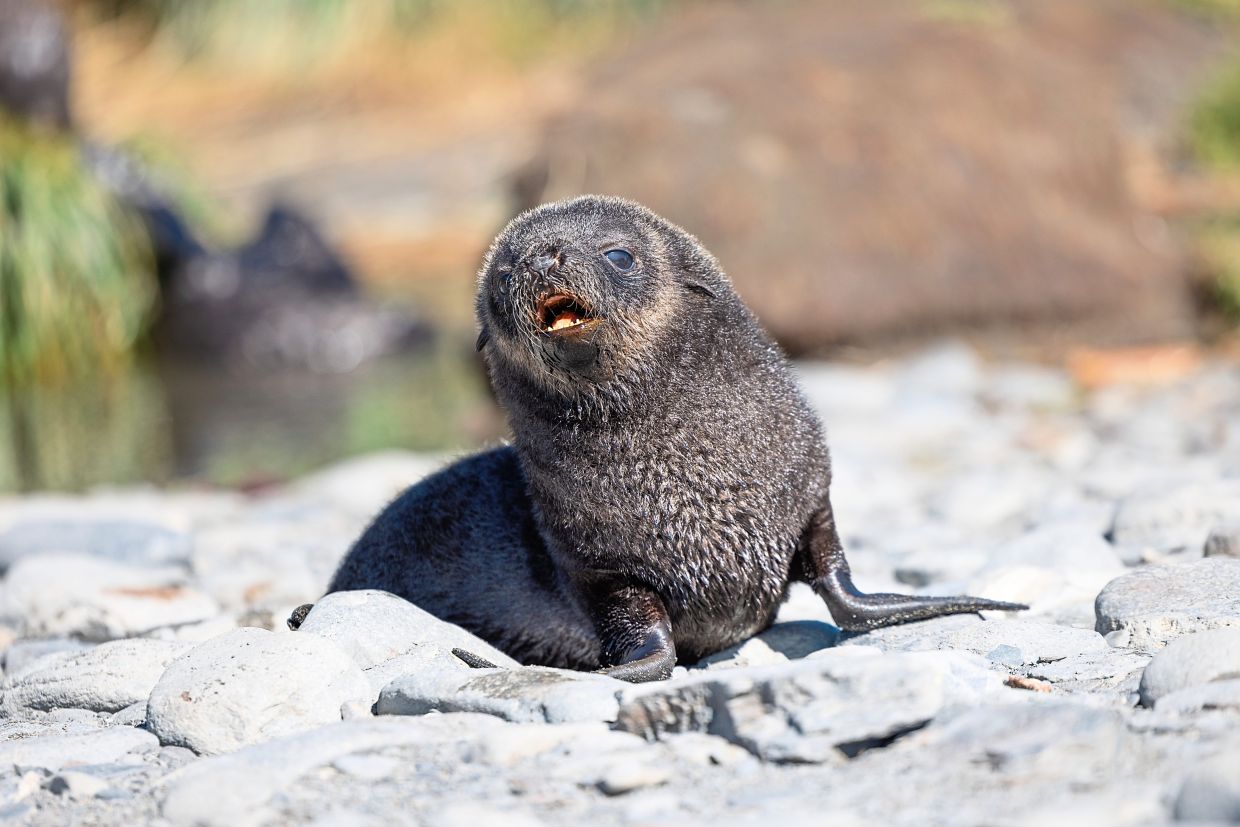
A seal pup possibly looking for its mother. — DR ALEX TAN

This is also the home to the southern elephant seal, the largest seal species in the world. It’s amazing that they have no fear of human beings, and the only predators are themselves, with seals or birds, for example, preying on baby penguins.

What I saw at Fortuna Bay was beguiling to the eyes. The greatest artist of them all is Mother Nature herself.

Watching whales and orcas swimming just a breath away past our boats was another sight to behold. So, all those animal documentaries never exaggerated with CGI or camera tricks – this is truly the living world’s creation.

It was awe inspiring to watch numerous whales swimming close to our ship and the zodiacs in their natural habitats as they flip their wide tail flukes up and down several times, with some even leaping out of the water.

Climbing snow-covered hills and getting on and off the zodiacs sometimes proved daunting, so I’m glad I decided to travel to Antarctica while my knees and legs still allowed me to walk and hike through these rough terrains.

A trip to Antarctica isn’t cheap with our ringgit continuing to depreciate and air travel becoming pricier. It’s unfortunate that not many people can take three weeks off from work to head to the Falklands, South Georgia and Antarctica.

Once in a lifetime

So, how does a Malaysian traveller get to Antarctica? I flew from Kuala Lumpur to Istanbul (Turkiye) on Turkish Airlines and then straight to the Argentinian capital, Buenos Aires.


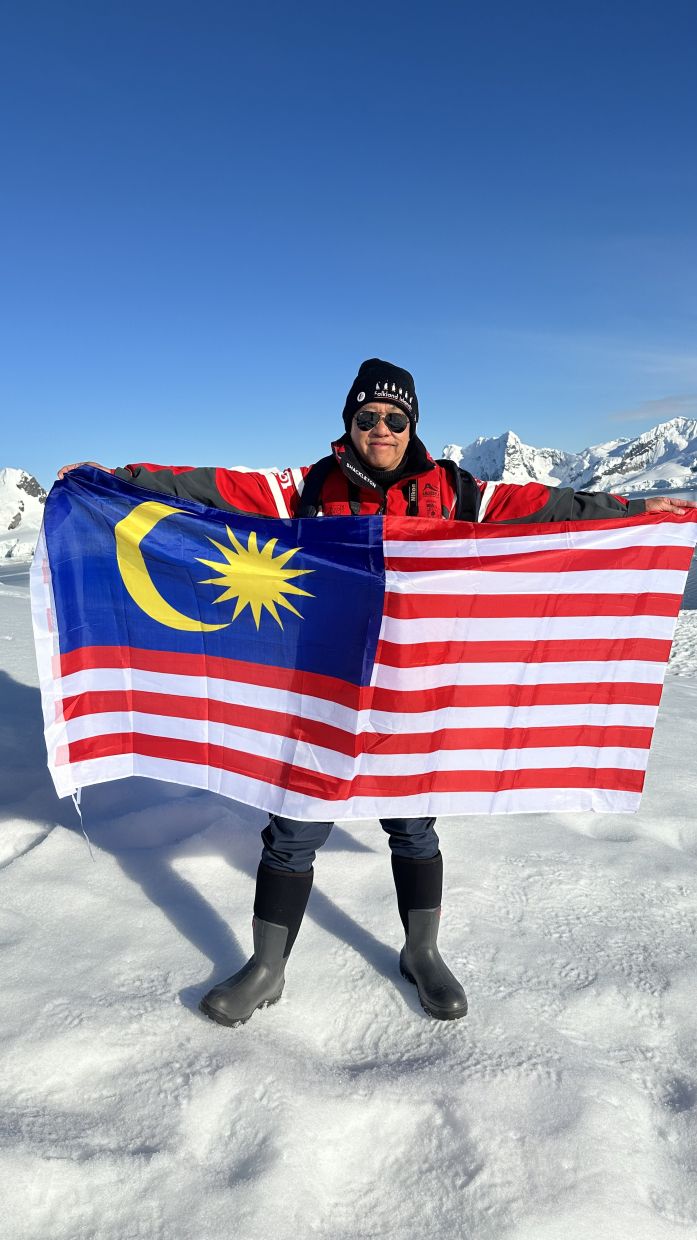
The writer at Brown Station, Antarctica. — FLORENCE TEH

After a night’s stop, we took a three-hour flight on Aerolineas Argentinas, Argentina’s local airline, from Buenos Aires to Ushuaia.

Flight delays and cancellations are normal, but they are anxiety-inducing because they affect connecting flights. Keeping a cool head in moments like these is imperative.

A voyage to Antarctica is not for the timid or those who want to remain “plugged in” on the ship because these “necessities” are limited and expensive. But it’s a once-in-a-lifetime trip.

In a near four-decade career, my journalism job has been kind enough to accord me the visit to more than 60 countries, but seeing Antarctica is the mother of them all. As they say, you should only see Antarctica after you’ve seen everything else because nothing will ever compare.

If you’re afraid of the cold, then just live vicariously. Even though it’s accessible only during the South Pole’s summer, there was still light snow, and the temperature was around 1°C and 0°C.

Sure, there were tricky moments during the trip. Taking pictures while riding for two hours on the zodiac proved arduous, especially when I had to remove my gloves and endure the biting cold from the wind, but the snapshots are worth a lifetime.

However, by being properly attired for the weather, using merino wool material for thermal wear, things should be fine.

The most important reason to go to Antarctica is simply because it remains the last untouched place on Earth, a locale which belongs to no country or government. So, just enjoy the vastness of the place and appreciate that the human race is but a speck in this world.

Antarctica remains the only place on Earth not only with no government, but no citizens, no population, police, army and legal system, and for sure, no politicians. This is definitely Heaven on Earth.

As someone from the tropics, the sights of the giant floating icebergs and glaciers, including the A23a whopping block of ice, which is 4,000sq km big and 400m thick, is nothing short of staggering. After all, it’s said to be three times the size of New York City, and over double the size of Greater London.

But more importantly, the trip left me with a commitment to sustainable living and a renewed passion to save this unique ecosystem and our beautiful planet.

Time is running out, unfortunately, and that’s what drove me to see Antarctica. As it happens, it’s now almost impossible to see polar bears in the North Pole. Not acting now will come at our peril.