Author Archives: wcw

Let’s return to reason and science


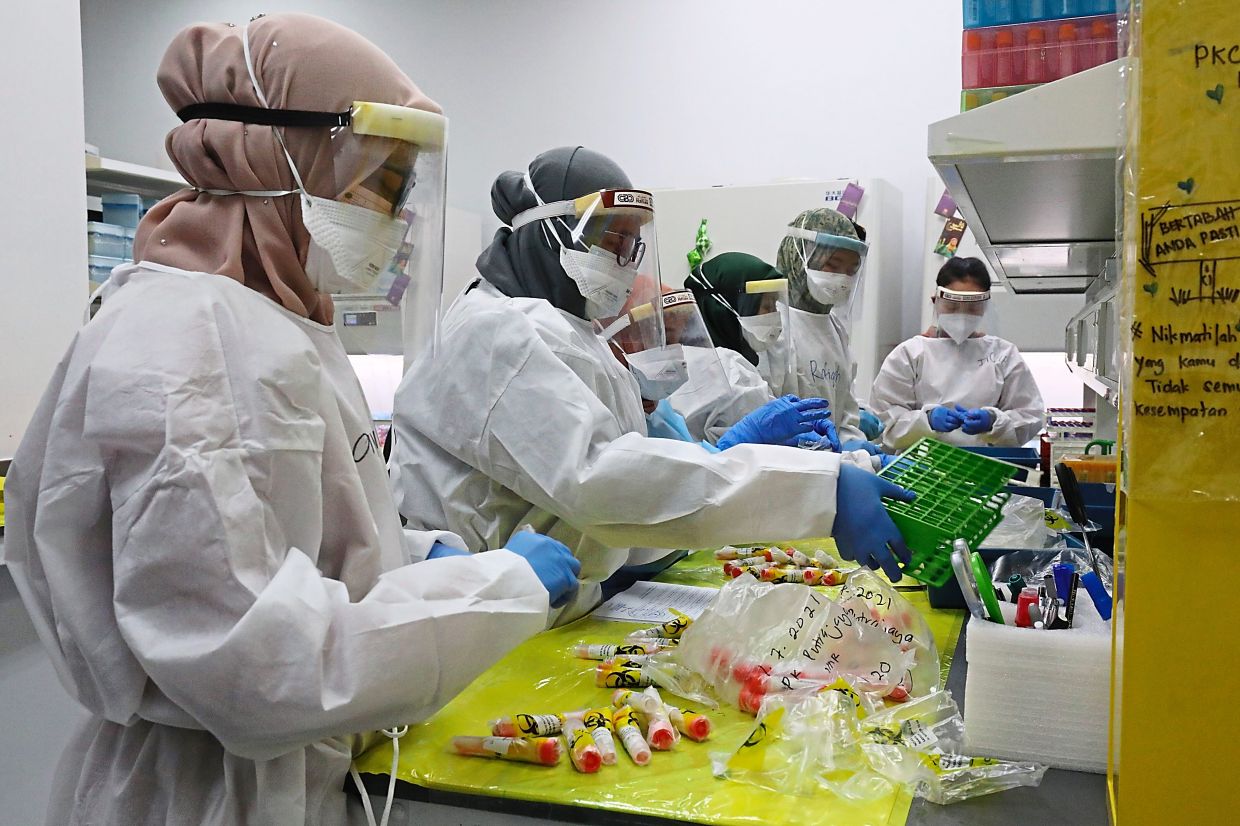
Looking ahead: Malaysia’s Institute for Medical Research is currently working on a few Covid-19 vaccines. — SAMUEL ONG/The Star

Internationally renowned academician Professor Dr Jeffrey Sachs, who heads the Lancet Covid-19 Commission, shares his views in an exclusive interview on the fight against the pandemic, the US-China rivalry and his call to Malaysia to produce its own vaccine.
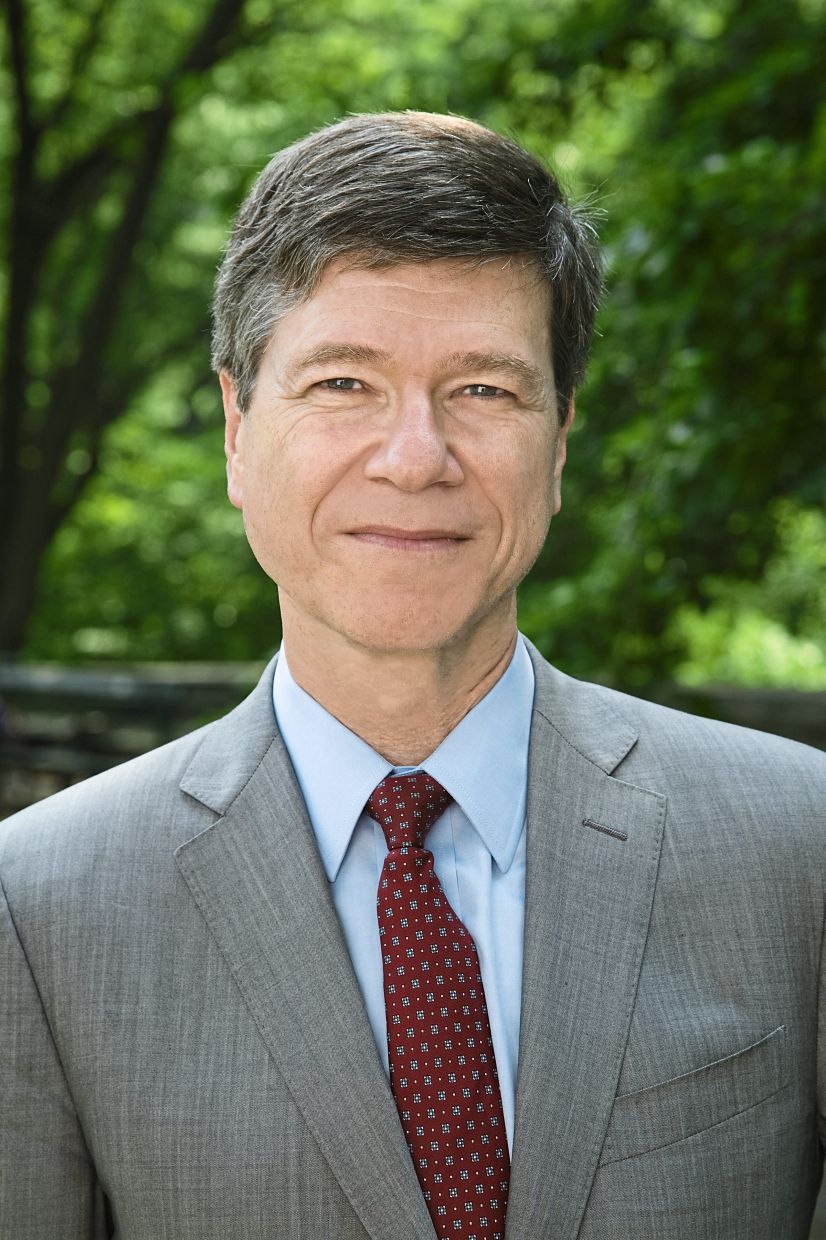

Prof Dr Sachs: Malaysia started late in vaccination because it’s not a vaccine producer, but now, the country is catching up. Malaysia should aim to produce vaccines in the future.

The Lancet Covid-19 Commission was created to help speed up global, equitable and lasting solutions to the pandemic. How much has been achieved and what are the hurdles?

The global response to the pandemic has been wholly inadequate. This results from five main factors:

  1. The epidemic has been handled as a matter of national policy-making, without adequate regional and global coordination;
  2. The major regions, including the US, EU, China, India, Russia and Asean, have not attempted any kind of coordinated response;
  3. The rich countries have not fairly shared their technologies, especially on vaccines;
  4. The global financing system has favoured the rich countries, providing too little support to the developing countries;
  5. The culture in many societies – such as the United States – have put personal behaviour ahead of the social good. In the name of “liberty”, Americans have failed to follow basic rules and protocols, and the disease has therefore been allowed to run rampant in the United States.

Perhaps the main geopolitical problem has been the failure of the US to work with China for global solutions. This is tragic, since China has done an excellent job of suppressing the pandemic, and the world could and should have learned a lot more from China’s response.

On a personal level, what is your role?

I am participating in policy discussions almost daily with governments and international organisations, as well as with the Commissioners and the experts on our various task forces. My job is to help coordinate the work of the Commission, and to oversee the drafting of various statements and the final report, which will be published in mid-2022.

While the world still battles the raging pandemic, new variants have surfaced, making it harder to contain the problem.

What are your views on the continuing obstacles?

The delta variant has been a huge setback, but given the faulty policies by so many governments around the world, the emergence of new variants like delta has been made much more likely by the delays in comprehensively suppressing the virus. We should have known better but failed to act wisely.

Vaccination remains the most effective way to fight the pandemic. What is your view on how Malaysia is handling its vaccination exercise?

We know that the vaccines are not enough to stop transmission – as Israel has shown (with high vaccine coverage but a strong epidemic). Vaccines cut serious disease, but do not stop transmission by themselves. Thus, countries need to combine vaccination with strong suppression policies (based on social distancing, prohibition of super-spreader events, face mask wearing, widespread and readily available testing, emphasis on outdoor rather than indoor activities, contact tracing, and other measures). Malaysia started late in vaccination because it’s not a vaccine producer, but now, the country is catching up. Malaysia should aim to produce vaccines in the future.

Obtaining vaccines continues to be an issue for many developing countries. It’s worse in Africa. How real is the hoarding of vaccines by powerful developed countries?

Very real. The failure of the vaccine-producing countries to come up with a plan to scale up production and distribution of vaccines to developing countries is a great disappointment. It is a moral failure as well as a practical failure, leading to more deaths and more chances of dangerous variants.

Many scientists have said the third vaccination – the booster – isn’t necessary as it will further deprive many countries from having access to the supply. What are your thoughts?

The evidence is not comprehensive, but it is a shame for rich countries to give the third dose without even a plan for the first dose in much of the world. That is unwise, unfair, and immoral in my view. The US, China, Russia, EU, UK, and India should present a coherent, coordinated plan for global vaccination coverage, and the US and EU should waive IP (intellectual property) to facilitate the scale-up of vaccine production in more countries. China, for example, should be helped to speed the production of mRNA vaccines.

Ordinary people are overloaded with all kinds of information. Vaccines – whether they are Pfizer, AstraZeneca or Sinovac, are basically the same, but because the US, Europe and China have adopted different requirements, it has led to anxiety for securing entry into these countries. What are your views on this?

Once again, there is too little coordination and cooperation among the major countries, and too little sharing of information.

Can you comment on how politics, especially geopolitical rivalry, can be separated from science?

The United States should learn some good manners, to work cooperatively with China rather than try to impose its will on the country.

What is your comment on the increasing friction between China and the US over the origins of the coronavirus and the pressure on the WHO to have another round of investigations to determine its source?

Both governments have information that they should add to the investigation on the origin of the virus. Indeed, much of the research underway at the Wuhan Institute of Virology was a joint US-China project, with funding by the US. Therefore, there is no cause for finger-pointing by one country at the other. We need scientific cooperation between the US and China in the search for the origin of SARS-CoV-2, the virus that causes Covid-19.

What should the US and China be doing in the fight against the pandemic, instead of having this side issue? How can both sides work together and in what areas can they combine resources? Both sides have accused each other of the virus originating from lab leaks.

As I just mentioned, scientists from the two countries have actually been working together on SARS-like viruses. The two governments should be cooperating transparently together. Both should be adding more information to the investigation. The US should acknowledge its role in the laboratory work, and therefore, its co-responsibility in investigating the possible origins of the virus.

The WHO’s team, comprising experts from China and other countries, arrived in Wuhan for a month’s investigations into the origins of the virus. There is now another request for a follow up probe while China has also demanded a separate investigation into Fort Detrick in the US. What is your take?

We need a clear investigation of the joint US-China research programme to see if, by some terrible accident, it somehow contributed to a research-related spill over event. That is one hypothesis that needs investigation, along with various possibilities of natural spill over events.

Finally, in the post Covid-19 pandemic world, how should the world and health experts brace for more infectious diseases?

We have many disease crises around the world, ranging from known infectious diseases that are not yet properly controlled (such as Malaria, worm infections, TB, HIV, etc.), as well as emerging infectious diseases such as Covid-19, non-communicable diseases (such as the global diabetes epidemic), and environmental ills (such as lung and cardiovascular diseases caused by air pollution). We should be investing far more resources into epidemiology, disease surveillance, disease prevention, and disease treatments. The Global Fund to Fight AIDS, TB, and Malaria should become the Global Health Fund, to finance the response to the global disease burden in developing countries. All of this requires foresight, long-term thinking, and more resources from the rich world.
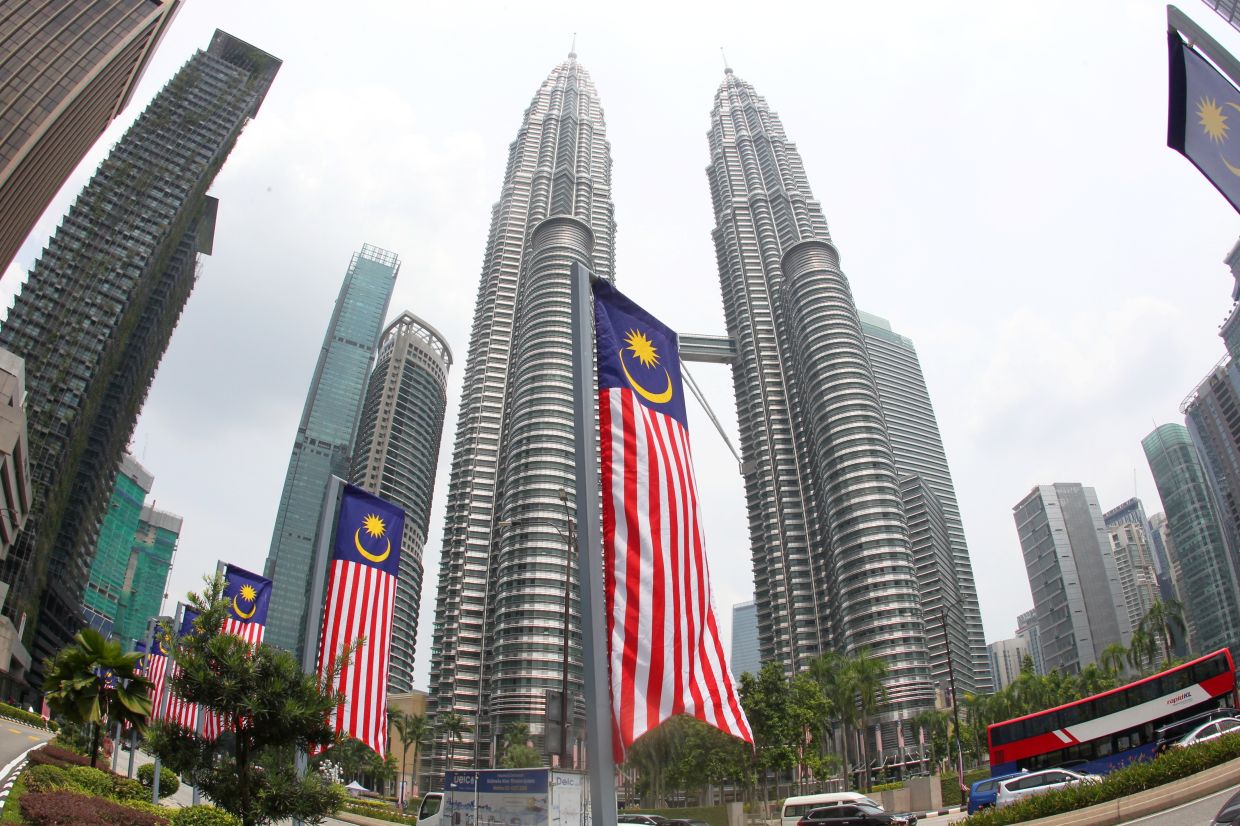

US needs to work with China

KUALA LUMPUR: The United States needs to work with China to find a global solution in the fight against the Covid-19 pandemic, says prominent academician Prof Dr Jeffrey Sachs.

“This is tragic, since China has done an excellent job of suppressing the pandemic, and the world could and should have learned a lot more from China’s response.

“The United States should learn some good manners to work cooperatively with China, rather than trying to impose its will on that nation,” the head of the Lancet Covid-19 Commission said.

In an email interview, the Columbia University lecturer was asked to comment on the increasing friction between the US and China over the origins of the coronavirus and the pressure on the World Health Organisation to conduct another round of investigations to determine the source of the problem.

“Both governments have information that they should add to the investigation of the origin of the virus.

“Indeed, much of the research underway at the Wuhan Institute of Virology was a joint US-China project, with funding by the US.

“Therefore, there is no cause for finger-pointing by one country towards the other. We need scientific cooperation between the US and China in the search for the origin of SARS-CoV-2, the virus that causes Covid-19,” he added.

On how the synergy can be established and areas to focus on, Dr Sachs said “scientists from the two countries have actually been working together on SARS-like viruses”.

“The two governments should be cooperating transparently together. Both should be adding more information to the investigation. The US should acknowledge its role in the laboratory work, and therefore, its co-responsibility in investigating the possible origins of the virus.”

Dr Sachs said rich countries had also not generously shared their knowledge, especially on vaccines, adding that the major regions including the United States, European Union, China, India, Russia and Asean had not attempted any kind of coordinated response.

“The global financing system has favoured the rich countries, providing too little support to developing countries,” he said.

“The culture in many societies – such as the United States – has put personal behaviour ahead of the social good.

“In the name of ‘liberty’, Americans have failed to follow basic rules and protocols, and the disease has therefore been allowed to run rampant in the US.”

Click here for the full interview

Award-winning Jeffrey D. Sachs is an economics professor, best-selling author, innovative educator and a global leader in sustainable development. He serves as the director of the Center for Sustainable Development at Columbia University in New York, and is a University Professor, Columbia’s highest academic rank.

Home improvements


IT’S good that the Home Ministry is now open to reviewing its Malaysia My Second Home (MM2H) programme because its new rules have been criticised, the Sultan of Johor among its detractors.

Minister Datuk Seri Hamzah Zainuddin has assured that the government is prepared to re-examine the new criteria – which many feel is too stringent – following the programme’s reactivation.

Rubbing salt into the wound, the rules even apply to those already settled in Malaysia, and not just new applicants.

Let’s take a step back and assess what the objectives were for MM2H – it was to target high-income participants possessing adequate capabilities with stipulated rules on the duration of social visit pass, minimum days of staying in Malaysia per year, the threshold of offshore income, the number of deposits and amount of liquid assets declaration.

More importantly, the MM2H programme has managed to stimulate the country’s economy, with a cumulative gross value-added income of RM11.89bil from 2002 to 2019 through visa fees, property purchases, personal vehicle purchases, fixed deposits, and monthly household expenditure. As of now, the ministry has approved a total of 57,478 MM2H participants, including dependents of MM2H pass holders.

Basically, when the country is grappling with an economic problem, MM2H is a low hanging fruit.

Most of the participants applied for this programme because they had bought homes in Malaysia, and they certainly would want to have some form of incentive. Most don’t even contemplate permanent resident status.

But even before these new revisions were introduced, it was already a nightmare applying for an MM2H status.

I have a Hong Kong celebrity singer friend, in her late 60s, who wanted to apply to stay here. She is Muslim and felt she could spend her time here since she already has many properties.

But the conditions included one strange rule – she could not work in Malaysia while her application was being processed.

As someone who performed regularly in Genting Highlands, she refused to accept the requirement.

She continues to sing praises of Malaysia, especially Sabah, in all her interviews, but Malaysia broke her heart, and she’s a high-value individual with plenty of money.

Of course, she has now cynically said that it’s easier for poor-skilled foreign workers to stay here than herself.

Thailand, Indonesia and the Philippines have all launched similar MM2H programmes, and they are much more attractive than Malaysia’s.

Indonesia’s Minister of Tourism and Creative Economic, Sandiaga Uno, has announced his plan to establish a long-term visa valid for up to five years (extendable). This visa will also allow foreign nationals to invest and work in Indonesia legally.

“The concept is to create a long-term stay, second home visa for a five-year term. They deposit IDR 2bil (US$142,300/RM582,702) per individual or IDR 2.5bil (US$178,000/RM728,378) for the whole family. They will be allowed to invest or do business here, and it is extendable every five years,” he was quoted.

If all goes to plan, this five-year visa will be launched by mid-2021. Three destinations are prepared to welcome the holders of long-term visas – Bali, Batam and Bintan.

For Johor, the MM2H needs to be flexible because it has a multiplying effect on its property market and other industries, including the food and beverage sectors.

It’s not just Singaporeans, but also Chinese and Indonesians who want to stay in Johor Bahru but work in Singapore.

The Sultan of Johor is understandably upset and has used very strong words on the new MM2H rules.

Just look at the number of unsold properties in Johor Baru, with the amount of unsold housing and serviced units combined amounting to RM38.6bil up to March 2021.

Rather than impose new rules on those who have already settled here, it’s better to reach out to those who have not fulfilled the conditions.

Interestingly, Hamzah said that some 8,000 participants have been found not to be using the facility to live in the country, despite being given the pass, adding that according to immigration records, the number of participants who don’t reside in Malaysia was between 7,000 and 8,000.

“They will only come in for a short period to register their application and when they want to renew their passes later.

“I have asked officers to call up these participants to find out their intention of taking up the offer as they don’t even stay in Malaysia,” he told a press conference on Wednesday (Sept 1).

There must be a minimum amount of time spent in Malaysia, but also, if they are high-value globetrotters, we can’t expect them to stay here for too long.

Supposedly, British tycoon Richard Branson chose to enrol in MM2H, so we can’t expect him to be in Malaysia for long spells. He will be the best ambassador for our country though.

But what’s more important is, Malaysia can’t afford to keep on shifting the goalposts because whether we like it or not, the impressions foreigners have of our country now aren’t flattering ones.

Hamzah has said the rules for MM2H have not changed in the last 20 years, and any revisions would be considered fair. However, it mustn’t run too far off.

With that said, I trust the Home Minister to be a fair person who will do what’s right for MM2H participants.

MERDEKA-kan Malaysia Dari Rasuah


The Malaysia We Want with Yusuf Hashim


On with the show


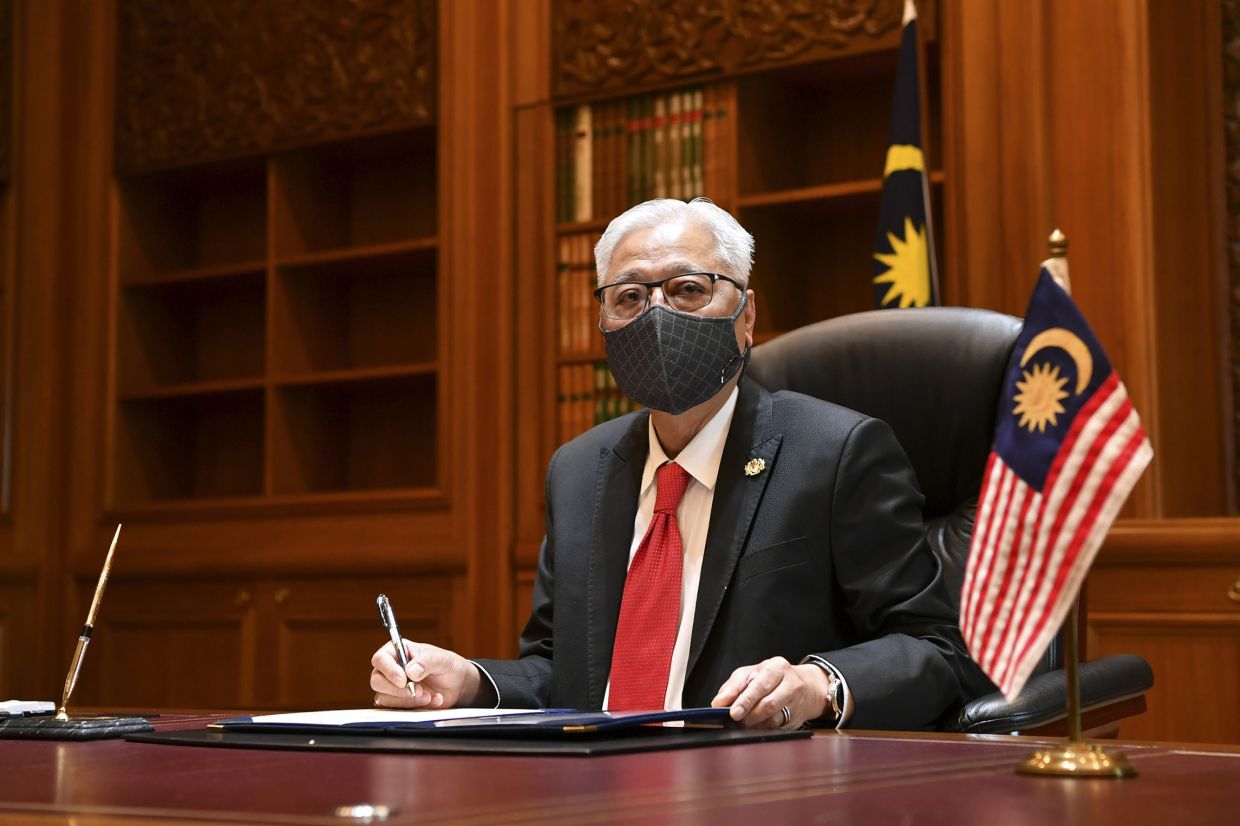
Prime Minister Datuk Seri Ismail Sabri Yaacob.

MALAYSIANS must have hoped Datuk Seri Ismail Sabri Yaacob would announce a lean Cabinet line-up, but the political climate obviously denied him that opportunity.

He did the right thing by not appointing a Deputy Prime Minister since there’s no urgency for it.

The Prime Minister has had to fend off intense demands, lobbying and pressure to appoint one.

It would have caused unnecessary friction had he chosen one, but in the first place, there’s no provision in the Federal Constitution for a DPM. It’s only a practice, but for succession and risk management reasons, having a deputy helps. Malaysia’s political history, however, is filled with DPMs who failed to reach the pinnacle of their political ambitions.

The new Cabinet line-up is as bloated as the previous one under the Muhyiddin administration. Ismail Sabri had to juggle Umno, Bersatu and the interests of Barisan Nasional parties, as well as those from Sabah and Sarawak. For a small country, we certainly have too many politicians.

For those expecting fresh faces, including professionals with non-political interests, it didn’t happen because that’s not how politics works.

His critics have called it a “recycled Cabinet” and “cut and paste Cabinet.”

The only exception is banker Tengku Zafrul Aziz, who retained his job as Finance Minister, despite calls to the PM that a politician should take the job since the general election will possibly be within eight months from now.

Some political analysts have claimed that Ismail Sabri, in drawing up the list, had also taken into account the coming party polls.

Ismail Sabri, who is an Umno vice president, is said to be eyeing a higher party post. If that it true, it means he considered who would be able to deliver him the votes, depending on which states or wings they come from.

Whatever the reasons, he should have done better. Some ministers have no reasons to hold any Cabinet positions as they have failed to inspire or deliver in their previous Cabinet or government posts. Giving these persons a new lease of life is hard to justify.

If this Cabinet line-up is meant to be operational, ahead of a fresh poll for Ismail Sabri to win the mandate, then it makes perfect sense, because there’s no point for newbies to learn the ropes.

The new face is Datuk Seri Ahmad Faizal Azumu as Youth and Sports Minister. Popularly known as Peja, he is also the Bersatu deputy president.

He has taken a beating on social media, but he’s really an affable person.

His recent food review video on his curry mee lunch in Putrajaya has made him the butt of jokes, but he only did it because a food seller had asked him to help endorse his fledgling business, which has suffered from the ravages of the pandemic.

He obliged and probably regrets it now.

Many of our Malaysian politicians, including the PM, are very accessible. Political reporters can easily call up our ministers, unlike in Singapore or Hong Kong, for instance, where that’s impossible.

Ismail Sabri has also been criticised for doing food reviews, so naturally, it has raised eyebrows. Now that he’s PM, his endorsement of local businesses must be curtailed.

He is no longer a mere news byte among Malaysians – the world will be watching him now. So will many angry Malaysians who can say whatever they want on social media, where the reach is swift and consequences brutal.

Any explanation that follows would be perceived as apologetic or just damage control.

Visiting a disaster area in Kedah last week, the PM was shocked to see a huge billboard welcoming him. If that wasn’t bad enough, he had 51 cars, supposedly, joining him as a convoy.

Prior to that, several excited officials on a plane to Kedah took pictures with him. It didn’t go down well with most Malaysians, although many would have done the same.

The officials who put up the billboard should be reprimanded because it is understood that the Prime Minister’s Office had advised them against it, but they proceeded with the plan anyway.

It’s time for the PM to create a new culture – there’s no need for sycophants to turn up in full force at every event the PM attends.

Surely party members and government leaders have work to do, instead of taking time off to be near him and break every Covid-19 SOP in the process.

So, when the rakyat see these inane acts, they rightly question why these people broke the rules instead of setting a good example. Importantly, why did no one tell those half-wits off?

It will be a welcome change if the PM issues a directive for his visits or events to be “modest”. There’s no need for a posse of hangers-on. If you have no business, stay away. Besides, the pandemic is raging, so please don’t infect the PM or reporters covering the events.

And since we are on this, sir, could you please do away with the bunga manggar and kompang, and lion dance, when all is back to normal? Keep your speeches simple too, and Malaysians would love to see you remove the obligatory 10-minute salutation.

Most of the people – the untitled Tuan Tuan dan Puan Puan – don’t appreciate being at the bottom of the pecking order.

In Africa, most speeches start with the person addressing the VIP, followed by “all protocols observed,” and then the person gets on with the real business of delivering the speech.

Ismail Sabri has a chance to prove that an Umno PM can reform and make changes, the simple ones, as well as the complicated ones.

He has set off with a refreshing change of getting the Opposition to work with him.

Let’s give credit to Opposition Leader Datuk Seri Anwar Ibrahim, too, for expressing his willingness to support Ismail Sabri’s leadership if the PM takes a more “pro-rakyat” route.

He also said that Pakatan Harapan agreed that cooling down the country’s “political temperature” was important as priority should be on managing Covid-19-related issues.

And should a confidence vote for Ismail Sabri be tabled in the Dewan Rakyat, Anwar hinted that Pakatan may choose to back it.

Malaysia needs bipartisanship badly. We must work towards a mature democracy. Politics may be able to obtain power, but politicians should be aware that it’s also about serving the people. Many seem to have forgotten this.

While we practise the Westminster democracy of the government and opposition, there’s no reason why both sides can’t work together on areas of common interest, such as reforms to institutions and laws.

Limiting the tenure of the PM to two terms or a maximum of 10 years makes sense, for example. So does allowing 18-year-olds to vote in the general election.

There has to be less combative politics, where scoring points seems to be the only approach. Malaysians are tired of this, but when so-called Members of Parliament display such uncouth posturing, it encourages their supporters to emulate their stance.

This is amplified in how comments are made on social media, where sadly, respect and civil discourse are in short order as debates degenerate into name-calling.

Malaysia celebrates its 64th year of independence this year. There is tremendous disdain for politicians from both sides.

We deserve more and better. Likewise, the PM deserves a chance to do the job.

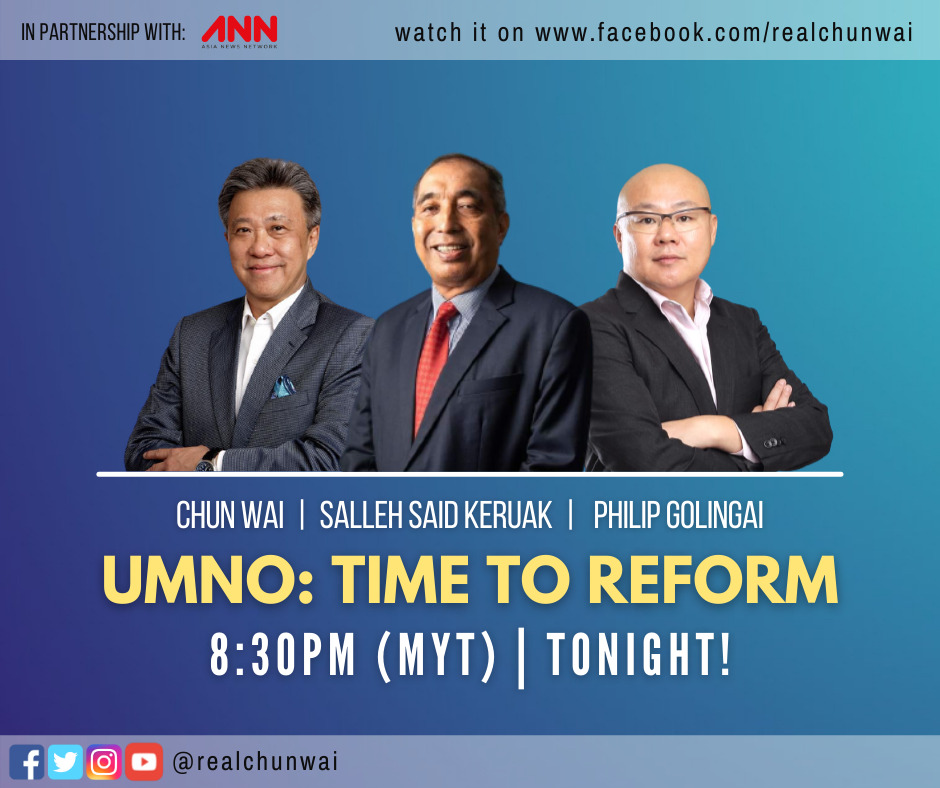
UMNO – Time to Reform


Done and dusted


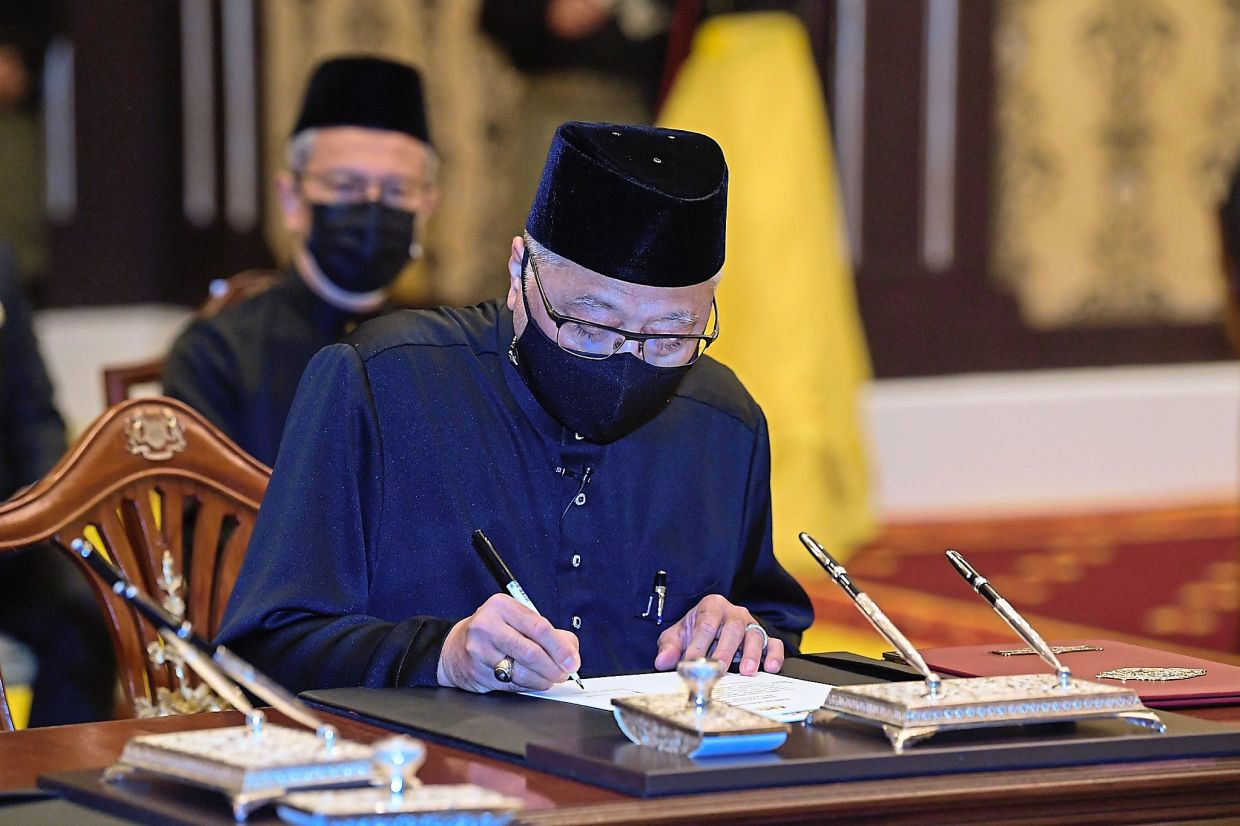
In the hot seat: Ismail Sabri signing the instrument of appointment as Malaysia’s ninth Prime Minister at Istana Negara yesterday. — Bernama

TRUST in politicians is certainly nothing to crow about right now. The King, who was heading back to Pahang after his meeting with fellow Rulers on Friday, had wanted to install the new Prime Minister only tomorrow.

But they advised against it, insisting that His Majesty should conduct the ceremony at Istana Negara yesterday and not wait a day longer.

There was a good reason for patience. After all, the Yang di-Pertuan Agong had to go through the tedious process of sourcing a successor for Tan Sri Muhyiddin Yassin following his resignation as PM.

His government collapsed when 15 Umno members of Parliament withdrew their support.

After causing all the hassle and leaving the nation on tenterhooks, Umno has gone back to working with Parti Pribumi Bersatu Malaysia to form a new government.

The only difference this time is that the PM, Datuk Seri Ismail Sabri Yaakob, is from Umno and the deputy prime minister, if one is chosen soon, will be from Bersatu.

Under the Federal Constitution, there’s no provision for the post of DPM, and there’s no obligation to appoint anyone even, but succession planning is always advisable.

In Muhyiddin’s case, when he was forced to vacate his post, having a DPM eased the transition.

The Rulers feared that politicians would start to make fresh deals over the weekend, with no end in sight if the new PM was not formally announced and sworn in quickly.

No doubt the Palace didn’t enjoy having to meet MPs to listen to their stand personally because lawmakers are known to treat their statutory declarations frivolously.

Previously, some had signed more than one letter of allegiance, and leaders had been granted their audience with the King because of claims of having secured the numbers.

Ahead of the Rulers’ meeting, all kinds of allegations and innuendoes were made about the royals, with accusations of them taking sides and being close to the Opposition.

There were claims that the Palace had intervened and was trying to force a unity government, which clearly contravenes the Federal Constitution that stipulates the person who commands the majority in the House of Representatives would be PM. But of course, all this was not true.

It doesn’t matter if we like Ismail Sabri, or if we think he’s not smart, qualified or handsome enough. The crucial point is, he secured the most votes at 114.

Rules can’t be bent just because some of us dislike the person who earned the most votes from among our elected representatives.

But as the saying goes, “Man proposes, God disposes”, which essentially means that human beings can make any plans they want but it’s God who decides their success or failure.

There was also another point of deliberation on the Rulers’ minds. If they had their way, they wouldn’t want the general election to be delayed because they want Ismail Sabri to prove his mandate.

But that’s easier said than done. So they invited Elections Commission officials to share their thoughts on how elections could be conducted in a post-Covid-19 scenario.

There’s no chance of a GE being held this year because the pandemic is still raging, and the entire nation has yet to be fully vaccinated.

The Rulers were also hoping the PM would focus on fighting the virus and setting the economy back on track. The last thing they want is for Ismail Sabri to be distracted by politics.

Still, the call for elections is the prerogative of the Executive and not the Rulers. There’s at least a year and a half left before the term expires. The Federal Constitution, however, stipulates that the King must give his consent to the dissolution of Parliament.

The roles of the Constitutional Monarch and the Executive are clearly defined in the Constitution. Depending on the political inclination of lawyers, the interpretations sometimes differ, but that doesn’t mean the lawyers or experts are right.

There has been a lot of despair over the direction the country is taking, especially with politicians letting us down, the number of infections spiralling up and jobs being lost.

The lack of leadership and clarity has dampened the spirit of Malaysians. If we don’t believe in our country, how can we convince investors?

The onus is now on Ismail Sabri to prove his critics wrong. He has no time to celebrate and has to hit the ground running.

Get the best brains, regardless of their race, to help you uplift the nation. Show that you are a Malaysian leader who knows how to recognise the strength and talents of our people.

Protect the rights and interests of all Malaysians and not merely one race. You’ve been chosen to take the hot seat now, so show us your mettle.

Sign of the Times with Tan Lee Bee


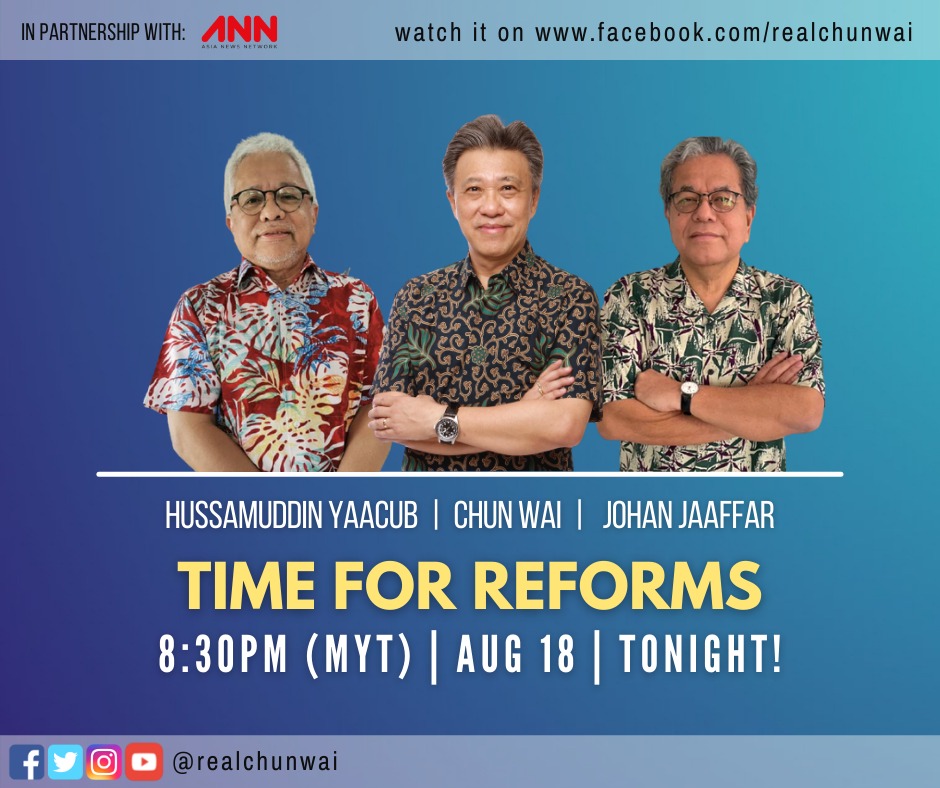
Time for Reforms